A Beginner Guide to Tarot Card Reading
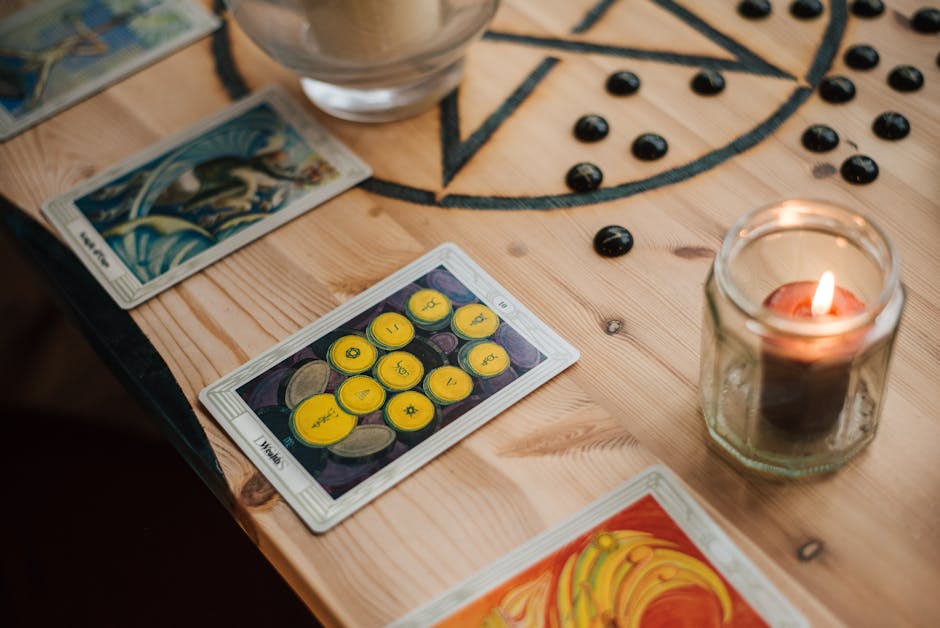
Photo by Anete Lusina on Pexels
What Is Tarot Card Reading?
Tarot card reading is an ancient divination practice that uses a deck of 78 cards to gain insight into the past, present, and potential future. Contrary to popular belief, tarot is not about predicting a fixed destiny. Instead, it serves as a mirror for your subconscious mind, helping you uncover patterns, clarify questions, and explore possibilities you may not have considered.
A standard tarot deck is divided into two main sections: the Major Arcana (22 cards representing life’s big themes and spiritual lessons) and the Minor Arcana (56 cards reflecting everyday situations and challenges). Together, they form a complete symbolic language that readers use to interpret the energies surrounding a person or situation.
How Does Tarot Work?
Tarot works through a combination of symbolism, intuition, and psychological reflection. Each card carries distinct imagery, colors, numbers, and archetypal meanings that have evolved over centuries. When you shuffle the deck and lay out cards in a spread, you are tapping into your own intuition and the collective unconscious.
Key principles to understand:
- Symbolism: Every element in a tarot card — from the color of the sky to the direction a figure faces — carries meaning. Learning to read these symbols is the foundation of interpretation.
- Intention: The clearer your question or intention before a reading, the more relevant the cards will be. Vague questions lead to vague answers.
- Synchronicity: Many readers believe the cards you draw are not random but emerge from a meaningful connection between your question and the universe’s response.
- Empowerment: Tarot does not tell you what will happen. It shows you what could happen if current energies continue, giving you the power to change course.
Choosing Your First Tarot Deck
Your first tarot deck matters more than you might think. While the Rider-Waite-Smith deck is the most popular and widely recommended for beginners, there are hundreds of beautiful decks available today. Here are a few tips for choosing yours:
- Start with Rider-Waite-Smith (RWS): Most beginner guides, online resources, and tarot apps use this deck’s imagery. Learning on RWS makes it easier to follow tutorials and connect with the broader tarot community.
- Look for a guidebook: Many modern decks come with detailed guidebooks that explain each card’s meaning. This can be incredibly helpful when you are just starting out.
- Trust your intuition: If a particular deck’s artwork speaks to you on an emotional level, that connection will make learning faster and more enjoyable.
- Avoid overly complex decks: Some decks use abstract or minimalist art that can be confusing for beginners. Stick with clear, narrative imagery until you feel confident.
Understanding the 78 Cards
The Major Arcana (22 Cards)
The Major Arcana cards represent major life events, spiritual growth, and karmic lessons. Cards like The Fool, The Magician, Death, and The Sun are familiar even to people who have never touched a tarot deck. These cards tend to carry heavier, more significant meanings when they appear in a reading.
The Minor Arcana (56 Cards)
The Minor Arcana is divided into four suits, each corresponding to a different area of life:
- Wands (Clubs): Passion, creativity, ambition, and action. Wands govern your career, projects, and personal drive.
- Cups (Hearts): Emotions, relationships, intuition, and love. Cups reflect your emotional world and connections with others.
- Swords (Spades): Thoughts, communication, conflict, and mental clarity. Swords represent the power of the mind — both its strengths and its struggles.
- Pentacles (Diamonds): Material world, finances, health, and career. Pentacles deal with tangible, practical matters.
Each suit contains 10 numbered cards (Ace through Ten) and four Court Cards (Page, Knight, Queen, King). The numbered cards tell a story of progression within that suit’s theme, while Court Cards often represent people or personality traits.
Simple Tarot Spreads for Beginners
You do not need a complex spread to get meaningful answers. Start with these two beginner-friendly layouts:
The One-Card Daily Draw
The simplest way to begin your tarot practice. Each morning, shuffle your deck while thinking about the day ahead, then draw a single card. Reflect on how its meaning might apply to your day. At night, look back and note any connections. This builds your familiarity with the cards quickly.
The Three-Card Spread
This versatile spread can answer almost any question. Lay three cards in a row with these common position meanings:
- Past — Present — Future: Understand how a situation evolved, where it stands now, and where it is heading.
- Mind — Body — Spirit: Gain insight into your mental, physical, and spiritual well-being.
- Situation — Action — Outcome: Clarify a problem, decide what to do, and see the likely result.
Tips for Giving Accurate Readings
- Keep a tarot journal: Write down your daily draws, the cards’ meanings, and what actually happened. Over time, you will notice patterns and deepen your understanding.
- Learn reversals later: Many beginners struggle with reversed (upside-down) cards. Ignore them for the first few months and focus on learning upright meanings first.
- Trust your first impression: When you see a card, notice what you feel before you look up its meaning. That gut reaction is your intuition speaking.
- Practice on yourself first: Reading for yourself removes the pressure of being accurate for someone else. Use self-readings to build confidence.
- Clean your deck regularly: Clear your deck’s energy by knocking on it, smudging with sage, or leaving it in moonlight. A clean deck gives clearer readings.
Common Mistakes Beginners Make
- Memorizing meanings instead of understanding symbols: Rote memorization limits you. Learn the symbols and let the cards speak to you naturally.
- Reading while emotional: Strong emotions cloud your intuition. If you are angry, anxious, or upset, wait until you feel balanced.
- Asking the same question repeatedly: This confuses the energy and leads to contradictory answers. Ask once and trust the response.
- Skipping the shuffle: How you shuffle matters. Take your time, focus on your question, and shuffle until it feels right.
Final Thoughts
Tarot is a lifelong practice. No one becomes an expert overnight, and every reader — no matter how experienced — continues to learn. Approach your tarot journey with curiosity, patience, and an open mind. The cards are not magic; you are. Tarot simply helps you access the wisdom you already carry within.
Ready to go deeper? Explore our Major Arcana guide and daily horoscope pages to continue your spiritual journey at lunaread.online.